


How Long Can I Live With Pavatalgia? A Complete, Honest, and Human-Centered Guide
Living with chronic pain can quietly reshape every part of your life. If you are searching for answers to how long can I live with pavatalgia, chances are you are not just curious about lifespan—you are trying to understand your future, your limits, and whether relief or stability is possible. This question is deeply human, and it deserves a clear, compassionate, and realistic answer.
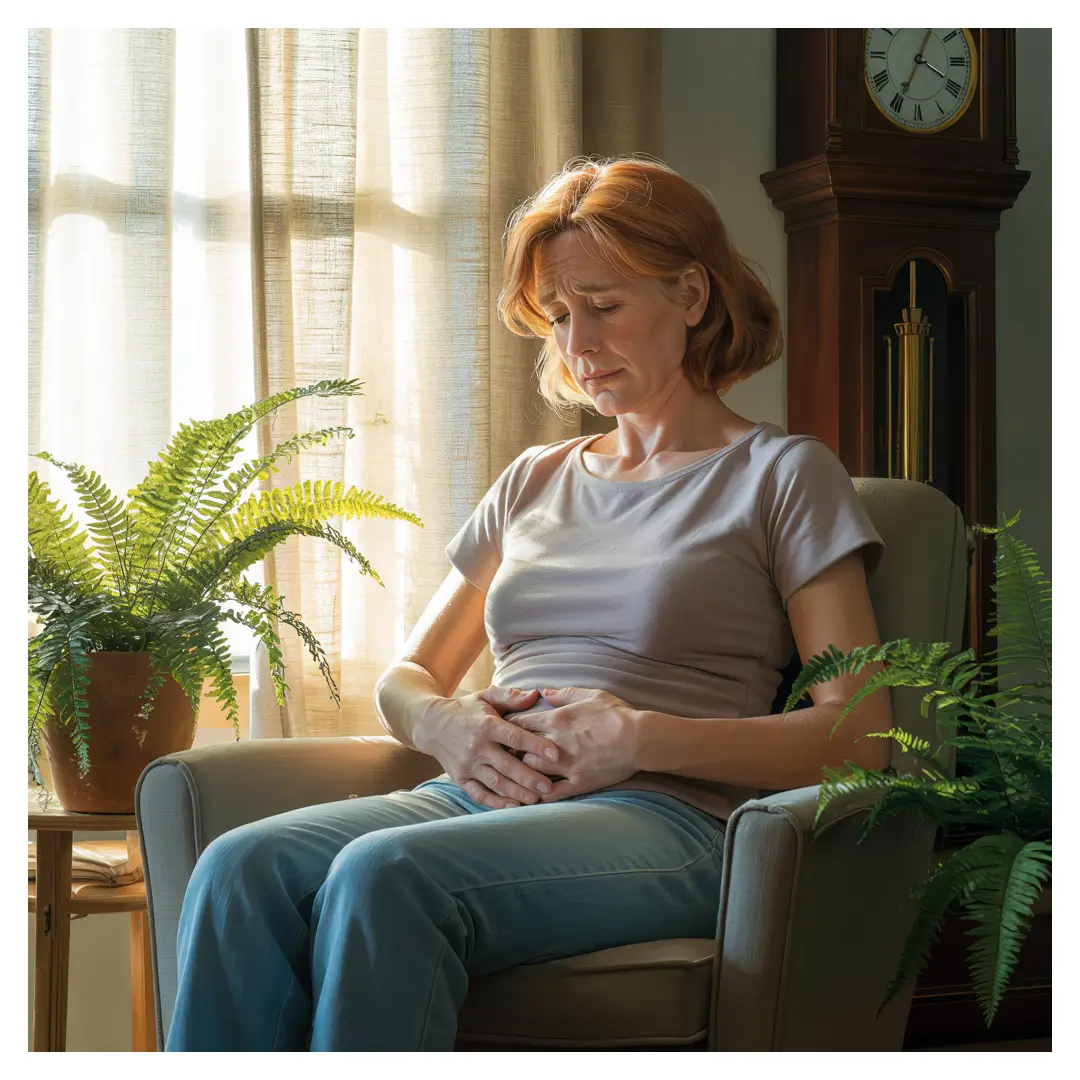
Pavatalgia is not a widely standardized medical term, but it is commonly used by patients and some practitioners to describe persistent pelvic or lower abdominal pain that does not resolve easily. In many cases, it overlaps with chronic pelvic pain syndromes, nerve-related pain, muscular dysfunction, or inflammatory conditions. Regardless of the label, the experience is real, and the impact can be profound.
The most important truth to understand early is this: pavatalgia is not considered a life-shortening condition. However, it can be a life-altering one if left unmanaged. How long you can live with pavatalgia is not the right question on its own—the better question is how well you can live with it. That depends on multiple physical, emotional, and lifestyle factors, all of which we will explore in depth.
Understanding Pavatalgia Beyond the Name
Pavatalgia is often described as persistent pain in the pelvic region that may be dull, sharp, burning, aching, or pressure-like. It may fluctuate or remain constant, and it can affect mobility, sleep, work, intimacy, and emotional health. Some people experience it intermittently, while others live with daily discomfort.
What makes pavatalgia especially challenging is that it often does not show up clearly on scans or lab tests. This can lead to delayed diagnosis, frustration, and the feeling of not being believed. Over time, untreated pain can sensitize the nervous system, making symptoms feel more intense even if the original trigger has stabilized.
From a longevity standpoint, pavatalgia does not damage vital organs or directly threaten survival. People do not die from pavatalgia. However, the indirect effects—such as chronic stress, depression, inactivity, or poor sleep—can influence overall health if ignored.
How Long Can You Live With Pavatalgia?
The honest answer is: you can live a normal lifespan with pavatalgia.
Many people live for decades with chronic pelvic or nerve-related pain. Some eventually experience significant improvement, while others learn to manage symptoms effectively enough to live full, meaningful lives. The condition does not shorten life expectancy in itself.
That said, the quality of life can vary widely. Someone who receives early intervention, appropriate pain management, and emotional support may function very differently from someone who is dismissed or untreated for years. Pavatalgia is not a ticking clock—it is a condition that responds to how it is handled over time.
Living long with pavatalgia is possible. Living well with pavatalgia is the real goal.
The Physical Impact Over Time
Chronic pain changes the body in subtle ways. Prolonged discomfort can cause muscle tension, altered posture, reduced activity levels, and nervous system sensitization. Over time, this can lead to secondary issues such as hip or lower back pain, fatigue, and decreased stamina.
However, these changes are not inevitable. Many people with pavatalgia maintain strength, mobility, and independence well into older age. The difference often lies in whether movement is adapted rather than avoided. Gentle activity, pacing, and body awareness can protect long-term physical health.
Importantly, pavatalgia does not progress in a linear, degenerative way like some neurological or autoimmune diseases. It may flare, calm down, or remain stable for years. For some, symptoms even fade significantly with the right approach.
Mental and Emotional Longevity Matters Too

When people ask how long they can live with pavatalgia, they are often really asking how long they can cope. Chronic pain affects mood, motivation, identity, and relationships. Anxiety about the future can be as exhausting as the pain itself.
Unchecked emotional distress can reduce life satisfaction and increase the risk of depression or social withdrawal. These factors do not shorten lifespan directly, but they can diminish the sense of living fully.
The most resilient individuals are not those who ignore pain, but those who build psychological tools alongside physical care. Acceptance, not resignation, plays a powerful role. Learning that life can still contain purpose, joy, and connection—even with limitations—changes the entire trajectory of living with pavatalgia.
Can Pavatalgia Get Worse With Age?
A common fear is that pavatalgia will inevitably worsen over time. This is not necessarily true. Aging alone does not automatically intensify the condition. In fact, some people report fewer flare-ups as they learn their triggers and refine their management strategies.
What can worsen symptoms is prolonged inactivity, untreated stress, poor sleep, or ongoing inflammation. Conversely, people who prioritize adaptive movement, nervous system regulation, and mental health often experience stability or improvement.
Age brings changes to everyone’s body, but pavatalgia does not dictate a downward spiral. The course is highly individual and responsive to care.
Living a Full Life With Pavatalgia
A full life does not mean a pain-free life. Many people with pavatalgia work, travel, maintain relationships, and pursue meaningful goals. They may do things differently, with more planning and flexibility, but they still live richly.
Learning to live with pavatalgia often involves redefining productivity and success. Rest becomes a skill, not a weakness. Listening to the body becomes a form of strength. Over time, many individuals develop a deeper sense of self-awareness and resilience that carries into every aspect of life.
The question shifts from “How long can I survive this?” to “How can I shape a life that supports me?”
When to Be Concerned
While pavatalgia itself is not life-threatening, new or rapidly changing symptoms should never be ignored. Sudden weight loss, fever, loss of bladder or bowel control, or progressive weakness require prompt medical evaluation. These are not typical features of stable chronic pelvic pain and deserve immediate attention.
Living long with pavatalgia also means staying engaged with healthcare rather than giving up. Even if past experiences were frustrating, ongoing monitoring helps rule out new conditions and adapt care as your body changes.
Hope Is Not Unrealistic
One of the most damaging myths about chronic pain is that improvement is impossible. While there may not always be a single cure, many people experience meaningful reductions in pain intensity and frequency over time. Others find that pain becomes less central to their identity and daily focus.
Hope does not mean denial. It means recognizing that your nervous system is adaptable, your body is capable of change, and your life is not defined solely by pain.
You are not on borrowed time. You are on your time.
Frequently Asked Questions (FAQ)
Is pavatalgia a terminal condition?
No. Pavatalgia is not terminal and does not shorten life expectancy. People can live a normal lifespan with this condition.
Can pavatalgia turn into something dangerous?
Pavatalgia itself does not usually turn into a dangerous disease. However, ongoing medical follow-up is important to rule out other conditions and address new symptoms.
Will I have pavatalgia for the rest of my life?
Some people experience long-term symptoms, while others improve significantly or recover. There is no single outcome, and many factors influence the course of the condition.
Can stress make pavatalgia last longer?
Yes. Chronic stress can amplify pain signals and make symptoms feel more persistent. Managing stress is a key part of long-term living with pavatalgia.
Is it possible to live happily with pavatalgia?
Yes. Many people learn to manage symptoms effectively and build fulfilling lives. Happiness is not eliminated by pain—it is reshaped.
Does pavatalgia get worse as I age?
Not necessarily. Some people experience stable or even improved symptoms over time, especially with proper self-care and support.
Final Thoughts
If you are asking how long can I live with pavatalgia, the most truthful answer is this: you can live as long as anyone else—but how you live matters more than how long.
Pavatalgia does not define your lifespan. It challenges your adaptability, patience, and self-compassion, but it does not take away your future. With understanding, support, and persistence, life with pavatalgia can still be meaningful, connected, and deeply human.
You are not counting down. You are learning how to live forward.
For Most Visits: PrimeUsaMag
Also Read: Social Media Stuff Embedtree Ultimate Growth Guide 2025











Leave a comment