


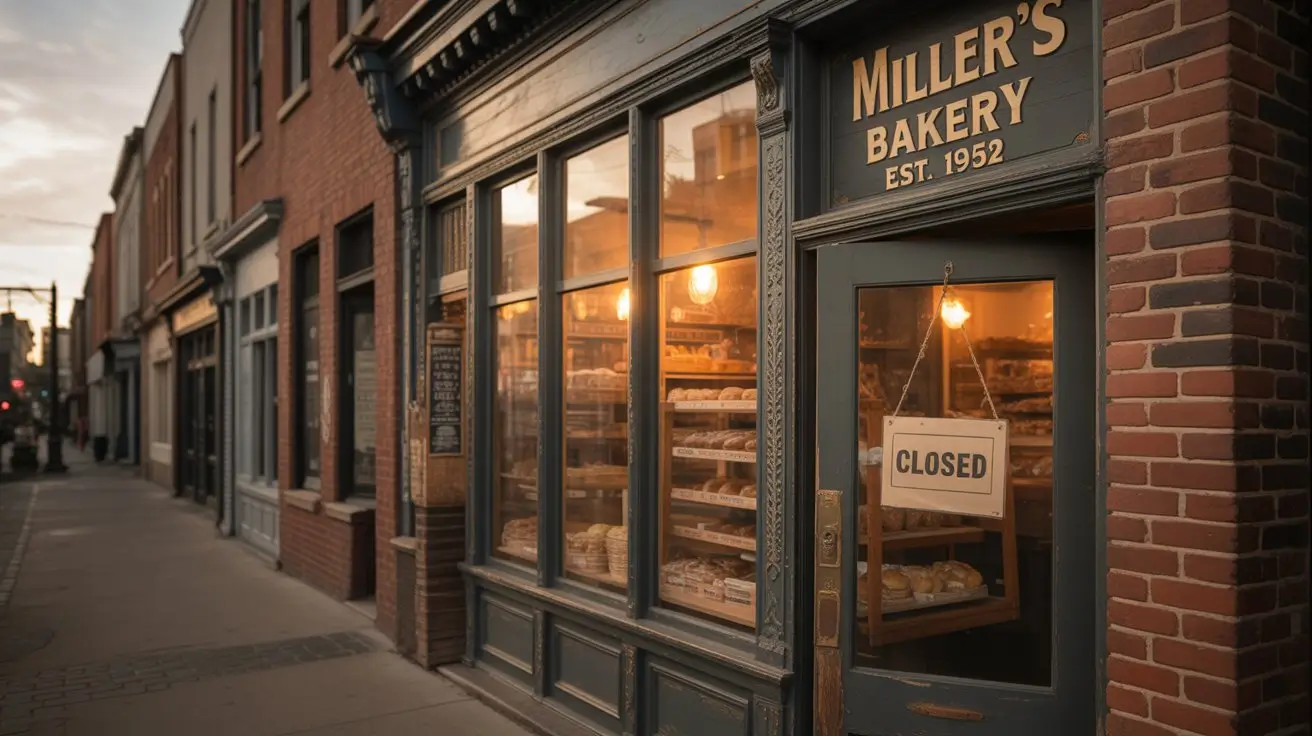
Bennetts Family Bakers Closure: A Deep Look at the End of a Local Legacy
The story of a neighborhood bakery is rarely just about bread, cakes, or pastries. It is about memories, traditions, relationships, and the rhythm of everyday life. When news spreads about a beloved bakery closing its doors, the impact travels far beyond business headlines. The Bennetts Family Bakers closure represents more than the end of a company; it reflects the emotional connection communities develop with local businesses and the changing landscape of modern commerce.
For years, family-run bakeries like Bennetts have symbolized warmth, consistency, and trust. People didn’t just visit for food—they came for conversation, familiarity, and a sense of belonging. Understanding the reasons behind such a closure requires looking at the broader environment in which small businesses operate today. Economic pressure, evolving consumer habits, generational transitions, and operational challenges often converge, creating a situation where even well-loved establishments struggle to survive.
This article explores the closure through a thoughtful lens—examining the cultural role of family bakeries, the possible pressures they face, and the lessons entrepreneurs and communities can learn from the experience.
The Heart of a Family Bakery
Family bakeries have historically served as cornerstones of local neighborhoods. They are usually built on personal recipes, generational knowledge, and strong community ties. Unlike large commercial chains, family bakeries grow through trust and reputation. Customers often know the owners by name and feel a sense of loyalty that extends across years, sometimes decades.
A bakery like Bennetts likely became a gathering point for morning routines, special occasions, and casual conversations. Regular customers may have grown accustomed to friendly greetings and familiar faces behind the counter. This sense of closeness is what sets family bakeries apart from larger retail operations.
When such a business closes, the emotional impact can be intense. People feel as if a part of their daily life has disappeared. For some families, the bakery may have been tied to childhood memories—birthday cakes, holiday treats, or weekend traditions. That emotional bond highlights why closures like this resonate deeply within communities.
The Changing Business Environment
Running a small, family-owned bakery has become increasingly complex. The traditional model that once supported local bakeries now faces multiple challenges. Costs continue to rise while profit margins often remain tight. Ingredients, rent, utilities, and labor expenses can create financial pressure that is difficult to sustain over time.
In addition, consumer behavior has shifted dramatically. Many customers today seek convenience and variety, often turning to supermarkets or online delivery platforms. While family bakeries offer authenticity, they may struggle to match the pricing power or marketing reach of large corporations.
Technology also plays a significant role. Modern businesses must maintain social media presence, digital ordering systems, and online branding strategies to stay competitive. For small operations without dedicated marketing teams, keeping up with these demands can feel overwhelming.
These broader changes create an environment where even successful family bakeries must constantly adapt. If adjustments are not possible or become too costly, closure may eventually become the only realistic option.
Generational Transitions and Family Dynamics
Family businesses often face unique challenges when it comes to succession. The original founders might have built the bakery through passion and hard work, but the next generation may have different career goals or lifestyles. Younger family members sometimes choose alternative paths rather than continuing the business.
If Bennetts Family Bakers experienced a transition period, it might have been difficult to find someone ready to take over daily operations. Running a bakery involves early mornings, physical labor, and long hours. Without a committed successor, maintaining the same level of quality and service becomes difficult.
Additionally, family businesses can face emotional decisions that go beyond finances. Owners may struggle with the idea of selling or closing a business that has been part of their identity for years. These personal factors often influence the final decision as much as economic realities.
Competition and Market Evolution
The food industry has undergone massive transformation in recent years. Artisan cafes, large-scale bakeries, and grocery store chains now offer baked goods that compete directly with traditional family shops. New businesses often emphasize trendy products, visually appealing designs, and aggressive marketing strategies.
At the same time, customers’ expectations have evolved. Many people now look for dietary-specific options such as gluten-free, vegan, or low-sugar products. Meeting these expectations requires new recipes, specialized ingredients, and additional training.
If a family bakery struggles to expand its offerings while maintaining its original identity, it may face declining sales. Even loyal customers might occasionally shift toward competitors that offer convenience or novelty.
Emotional Impact on the Community
The closure of Bennetts Family Bakers likely left a noticeable gap in the community. Regular customers may feel a sense of loss similar to saying goodbye to an old friend. The familiar smell of fresh bread in the morning or the warmth of casual conversations at the counter disappears overnight.
Local businesses often contribute to community identity. When they close, neighborhoods can feel less personal and more commercialized. Residents may worry about losing the character that made their area special.
For employees, the closure also brings uncertainty. Staff members who spent years working together may suddenly find themselves searching for new opportunities. In small businesses, relationships between coworkers and customers often feel like extended family connections, making the transition emotionally challenging.
Financial Pressures Behind the Scenes
While customers see the final announcement, they rarely witness the months or years of difficult decisions that precede a closure. Owners may try various strategies—adjusting menus, offering promotions, or extending hours—to keep the business afloat. These efforts require significant investment and emotional energy.
Unexpected expenses such as equipment repairs or rising ingredient costs can push finances beyond manageable limits. Even minor changes in customer traffic can have a large impact on small operations with tight budgets.
Additionally, external factors such as economic downturns or changing local demographics may reduce foot traffic. When revenues consistently fall short of expenses, closure becomes a painful but practical decision.
Lessons for Small Business Owners
The Bennetts Family Bakers closure offers important insights for entrepreneurs. One major lesson is the need for adaptability. Markets change quickly, and businesses must evolve while maintaining their core values.
Another lesson involves long-term planning. Succession strategies, financial reserves, and digital marketing approaches can help businesses remain resilient during challenging periods. Owners who invest in innovation and customer engagement often have a better chance of surviving market shifts.
Building strong community relationships also remains crucial. Even though closure may still occur, businesses with loyal customers often receive overwhelming support and appreciation during their final days.
The Cultural Importance of Local Bakeries
Beyond economic considerations, local bakeries play a unique cultural role. They represent craftsmanship, heritage, and the joy of handmade food. In an era dominated by mass production, family bakeries remind people of simpler traditions.
The closure of a bakery like Bennetts highlights how important it is to preserve small businesses that bring character to neighborhoods. Communities that actively support local shops help maintain diversity in the marketplace.
Some neighborhoods respond to closures by encouraging new entrepreneurs to start similar ventures, keeping the tradition alive. Others may transform former bakery spaces into community centers or cafes that continue the legacy of connection and conversation.
Coping With Change and Moving Forward
While the closure marks the end of an era, it can also create opportunities for reflection and renewal. Customers may seek out other local businesses, strengthening community ties elsewhere. Former employees might start new ventures inspired by their experience at the bakery.
For the Bennetts family, the decision to close may have been deeply personal. Stepping away from a demanding business can allow owners to focus on family life, health, or new passions. Even though the doors are closed, the impact of their work remains in the memories and traditions they created.
Communities often remember family bakeries long after they are gone. Recipes get shared, stories get retold, and the legacy continues through generations of customers who cherished the experience.
The Future of Family-Owned Bakeries
The story of Bennetts Family Bakers also raises broader questions about the future of family-run food businesses. Despite challenges, many local bakeries continue to thrive by embracing modern tools while preserving their authentic roots.
Creative menu offerings, community events, and online engagement help smaller bakeries stand out in competitive markets. Customers increasingly appreciate authenticity and craftsmanship, which gives family businesses a unique advantage.
As long as communities value personal connections and handmade products, there will always be space for family bakeries. However, survival requires a balance between tradition and innovation.
Frequently Asked Questions (FAQ)
Why did Bennetts Family Bakers close?
Closures typically result from a combination of factors such as financial pressure, rising costs, changing customer habits, and potential family or succession challenges. Each situation is unique, and decisions are often influenced by both personal and business considerations.
How do bakery closures affect local communities?
Local bakeries often serve as social hubs. Their closure can leave emotional gaps, reduce neighborhood character, and impact employees and nearby businesses that relied on shared foot traffic.
Can family bakeries survive in today’s competitive market?
Yes, many still succeed by adapting to modern trends, using digital tools, and building strong community connections. Innovation combined with authenticity helps smaller bakeries remain relevant.
What lessons can other small business owners learn?
Planning for the future, diversifying revenue streams, investing in marketing, and maintaining strong customer relationships are key strategies. Flexibility and continuous learning also play major roles.
Will the legacy of Bennetts Family Bakers continue?
Even after closure, the bakery’s legacy lives on through memories, recipes, and the community relationships it built over the years.
Final Thoughts
The Bennetts Family Bakers closure is not just a business story—it is a reflection of changing times and evolving markets. Family bakeries represent dedication, tradition, and human connection. When one closes, the loss is felt deeply by everyone who shared in its journey.
Yet, the story also highlights resilience. Communities adapt, new businesses emerge, and the spirit of local craftsmanship continues in different forms. By understanding the challenges faced by family bakeries, entrepreneurs and customers alike can help preserve the heart and soul of neighborhood businesses.
Even though the doors of Bennetts Family Bakers may have closed, its impact remains alive in the memories of loyal customers and the traditions it helped create. That enduring legacy reminds us why supporting local businesses matters—not just for economic reasons, but for the stories, connections, and sense of belonging they bring into our daily lives.
For More Visits: PrimeUsaMag
















Leave a comment