


Navigator Pear: A Complete, Experience-Driven Guide to This Remarkable Pear Variety
The Navigator pear is steadily gaining attention among home gardeners, orchard managers, and fruit enthusiasts who value reliability, flavor, and adaptability in a pear tree. While many pears struggle with inconsistent yields, disease sensitivity, or unpredictable fruit quality, Navigator pear stands out as a cultivar associated with balance—steady growth, dependable fruiting, and an eating experience that rewards patience and proper care.
This article explores Navigator pear from the ground up. Rather than recycling generic fruit-tree advice, the focus here is on real-world cultivation insights, practical orchard experience, and nuanced understanding of how this pear performs across seasons. Whether you’re planting a single backyard tree or considering Navigator pear as part of a diversified orchard, this guide will help you make informed decisions with confidence.
Understanding the Navigator Pear
Navigator pear is best understood as a grower-friendly pear variety designed to thrive under a wide range of conditions. The name itself suggests reliability and direction—a pear that “knows where it’s going,” so to speak. While pear varieties can often be temperamental, Navigator pear tends to show consistent growth patterns and predictable fruit development.
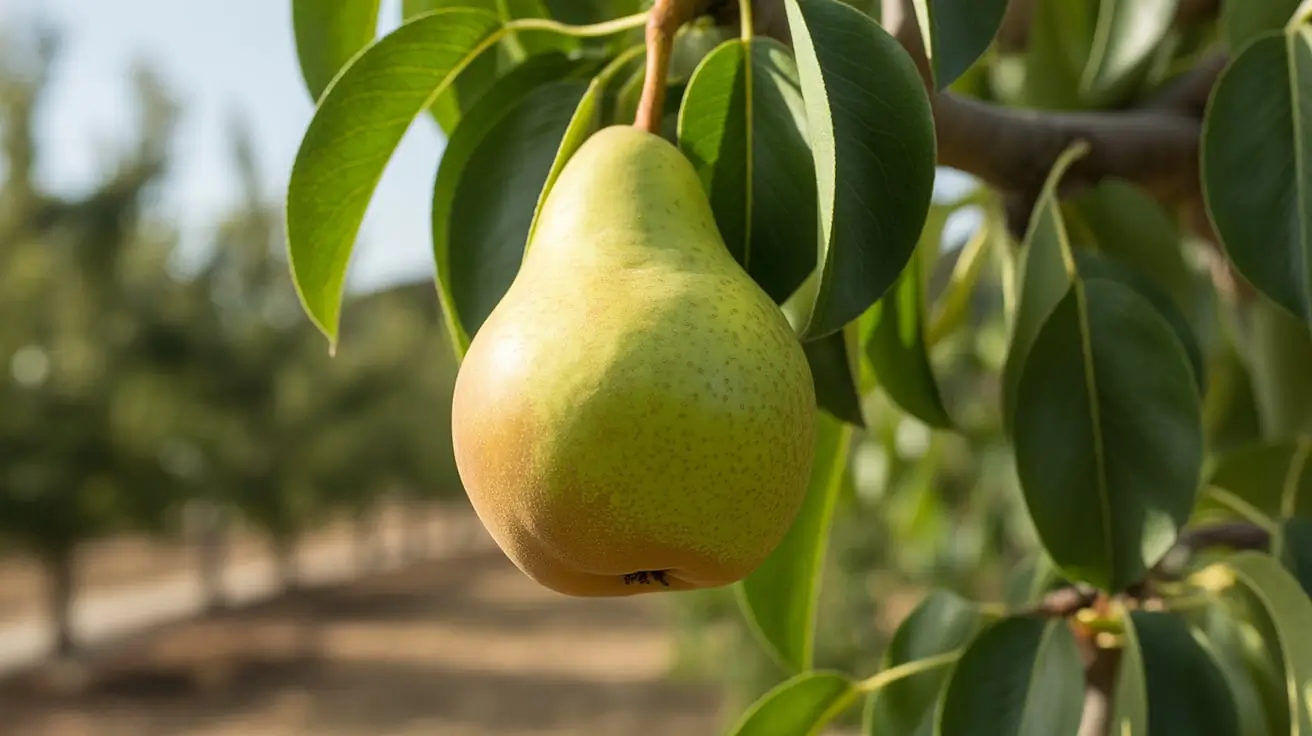
The fruit is typically medium to large in size, with a classic pear silhouette that tapers gently toward the stem. When mature, the skin develops a smooth texture and subtle color transitions that signal readiness without demanding immediate harvest. Unlike some pears that move rapidly from underripe to overripe, Navigator pear offers a more forgiving harvest window.
From a culinary perspective, the flesh is dense but not coarse, offering a satisfying bite that softens gradually after picking. This balance makes Navigator pear suitable for both fresh eating and cooked applications, a quality that has contributed to its growing popularity.
Tree Characteristics and Growth Habit
Navigator pear trees are known for their upright yet manageable growth habit. They typically develop a strong central leader with well-spaced lateral branches, making pruning more intuitive even for gardeners without advanced training. This natural structure also improves airflow through the canopy, reducing moisture buildup that can lead to disease.
In terms of vigor, Navigator pear strikes a middle ground. It grows steadily without the excessive vegetative growth that can delay fruiting, nor does it remain stunted or slow to establish. Once settled, the tree invests energy into both structural strength and fruit production, which is exactly what growers look for in a long-term orchard tree.
Another notable characteristic is the tree’s adaptability to training systems. Navigator pear responds well to traditional open-center shaping, modified central leader systems, and even espalier techniques when space is limited. This flexibility makes it an excellent choice for urban gardens as well as rural orchards.
Climate and Soil Adaptability
One of the reasons Navigator pear has gained a loyal following is its ability to adapt to different climates. While pears generally prefer temperate regions with defined seasons, Navigator pear shows resilience in both cooler and moderately warm zones.
The tree requires a period of winter chill to break dormancy properly, but it does not demand extreme cold. This makes it suitable for regions where winters are mild but still distinct. In spring, Navigator pear blossoms with a measured pace, which can help reduce vulnerability to late frosts.
Soil preference leans toward well-drained loam with moderate fertility, but Navigator pear is surprisingly tolerant of less-than-perfect conditions. Heavy clay soils can be improved with organic matter, while sandy soils benefit from consistent mulching and irrigation. The key is avoiding prolonged waterlogging, as pear roots prefer oxygenated soil environments.
Planting Navigator Pear Trees Successfully
Successful Navigator pear cultivation begins with thoughtful planting. Selecting a healthy, well-rooted sapling from a reputable nursery sets the foundation for years of productivity. Look for trees with a straight trunk, flexible branches, and no signs of stress or disease.
When planting, timing matters. Late winter to early spring planting allows the tree to establish roots before active growth begins. In warmer regions, fall planting can also be effective, giving roots time to settle before summer heat arrives.
The planting hole should be wide rather than deep, encouraging lateral root expansion. Position the tree so that the graft union remains above soil level, and backfill gently to avoid compacting the soil around young roots. A deep initial watering helps eliminate air pockets and signals the tree to begin root growth.
Mulching around the base of the tree plays a significant role in early success. Organic mulch moderates soil temperature, retains moisture, and gradually improves soil structure as it breaks down.
Pollination and Fruit Set
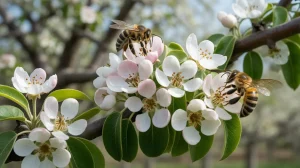
Like most pear varieties, Navigator pear benefits from cross-pollination. While it may produce some fruit on its own, planting a compatible pear variety nearby significantly improves fruit set and overall yield. The presence of pollinators such as bees further enhances this process.
During bloom season, Navigator pear displays clusters of white blossoms that attract pollinating insects. These flowers are not only functional but visually appealing, adding ornamental value to the landscape. Ensuring a pesticide-free environment during flowering helps protect pollinators and supports healthy fruit development.
Once pollinated, the tree begins allocating resources toward fruit formation. Navigator pear tends to regulate its crop naturally, but light thinning may still be necessary to prevent branch overload and ensure larger, higher-quality fruit.
Watering and Nutrient Management
Navigator pear does not demand excessive watering, but consistency is crucial. Young trees require regular moisture as they establish roots, while mature trees benefit from deep, infrequent watering that encourages strong root systems.
Overwatering can be just as problematic as drought, leading to root stress and reduced fruit quality. Monitoring soil moisture and adjusting irrigation based on weather conditions helps maintain balance.
Nutrient management should focus on steady support rather than aggressive fertilization. Too much nitrogen encourages leafy growth at the expense of fruit. A balanced approach using compost, organic amendments, or slow-release fertilizers supports healthy development without overwhelming the tree.
Leaf color and annual growth provide useful feedback. Pale leaves or weak shoot growth may indicate nutrient deficiencies, while overly vigorous growth suggests the need to reduce fertilization.
Pruning for Longevity and Yield
Pruning is where many pear growers either succeed or struggle. Navigator pear simplifies the process by responding predictably to thoughtful pruning techniques. The goal is to maintain an open structure that allows sunlight to reach fruiting wood while preserving the tree’s natural form.
Winter pruning focuses on shaping and removing damaged or crossing branches. This is also the time to encourage balanced growth by reducing overly dominant limbs. Summer pruning, when done sparingly, helps manage vigor and improve light penetration.
Regular pruning not only improves fruit quality but also extends the productive life of the tree. Navigator pear trees that are pruned with intention tend to remain productive and structurally sound for decades.
Harvesting Navigator Pear at Peak Quality
Harvest timing plays a major role in the eating experience of Navigator pear. Unlike some fruits that ripen fully on the tree, pears benefit from being harvested while still firm and allowed to ripen off the tree.
Navigator pear provides subtle signals when ready for harvest. The fruit detaches easily with a gentle upward twist, and the skin develops a mature sheen. Harvesting at this stage ensures the best balance between texture and flavor.
After harvest, pears should be stored in a cool environment to slow ripening, then brought to room temperature when ready to eat. This controlled ripening process enhances sweetness and aroma without sacrificing firmness.
Culinary Uses and Flavor Profile
Navigator pear shines in the kitchen due to its versatility. When eaten fresh, it offers a clean, mildly sweet flavor with a smooth mouthfeel. The flesh softens evenly as it ripens, avoiding the gritty texture that sometimes plagues pear varieties.
In cooking, Navigator pear holds its shape well, making it suitable for baking, poaching, and roasting. Its natural sweetness pairs beautifully with spices, cheeses, and savory ingredients. Because the flavor is balanced rather than overpowering, it adapts easily to both sweet and savory dishes.
For home preservers, Navigator pear is an excellent candidate for canning and drying. The flesh maintains integrity during processing, resulting in consistent texture and flavor.
Long-Term Care and Tree Health
Maintaining a healthy Navigator pear tree involves observation and timely action. Regular inspections help identify issues early, whether they involve pests, disease, or environmental stress. While no pear is completely immune to challenges, Navigator pear’s balanced growth habit often reduces vulnerability.
Good sanitation practices, such as removing fallen fruit and pruning debris, contribute to overall orchard health. Encouraging beneficial insects and maintaining soil health further strengthens the tree’s natural defenses.
Over time, growers often find that Navigator pear becomes a reliable presence in the landscape—less demanding than many fruit trees and generous in its rewards.
Why Navigator Pear Appeals to Modern Growers
Modern growers seek fruit trees that align with practical realities: limited time, changing climates, and the desire for dependable results. Navigator pear meets these expectations by offering consistency without sacrificing quality.
Its adaptability makes it suitable for diverse growing environments, while its fruit quality satisfies both casual snackers and serious cooks. For those who value a tree that integrates smoothly into their garden or orchard, Navigator pear represents a thoughtful choice.
Frequently Asked Questions About Navigator Pear
What makes Navigator pear different from other pear varieties?
Navigator pear is valued for its balanced growth, consistent fruiting, and forgiving harvest window. It combines reliability with quality, making it accessible to both beginners and experienced growers.
Is Navigator pear suitable for home gardens?
Yes, Navigator pear adapts well to home gardens due to its manageable size, predictable growth habit, and versatility in training methods.
How long does it take for a Navigator pear tree to produce fruit?
Most Navigator pear trees begin producing fruit a few years after planting, with yields increasing as the tree matures and establishes a strong structure.
Does Navigator pear require a pollinator?
While it may produce limited fruit on its own, Navigator pear benefits greatly from cross-pollination with another compatible pear variety for optimal yields.
Can Navigator pear be grown in containers?
With proper rootstock selection and diligent care, Navigator pear can be grown in large containers, though in-ground planting generally offers better long-term results.
When is the best time to harvest Navigator pears?
Navigator pears should be harvested when firm but mature, then allowed to ripen off the tree for the best texture and flavor.
Final Thoughts on Navigator Pear
Navigator pear represents a thoughtful intersection of tradition and practicality. It honors the classic appeal of pear cultivation while addressing the needs of modern growers who want dependable performance without constant intervention. From planting and pruning to harvest and enjoyment, this pear variety rewards patience, observation, and care.
For anyone seeking a pear tree that delivers both beauty and substance, Navigator pear stands as a confident choice—steady, adaptable, and genuinely satisfying from orchard to table.
For More Visits: PrimeUsaMag
Also Read: How Long Can I Live With Pavatalgia – Hopeful Facts 2025












Leave a comment