


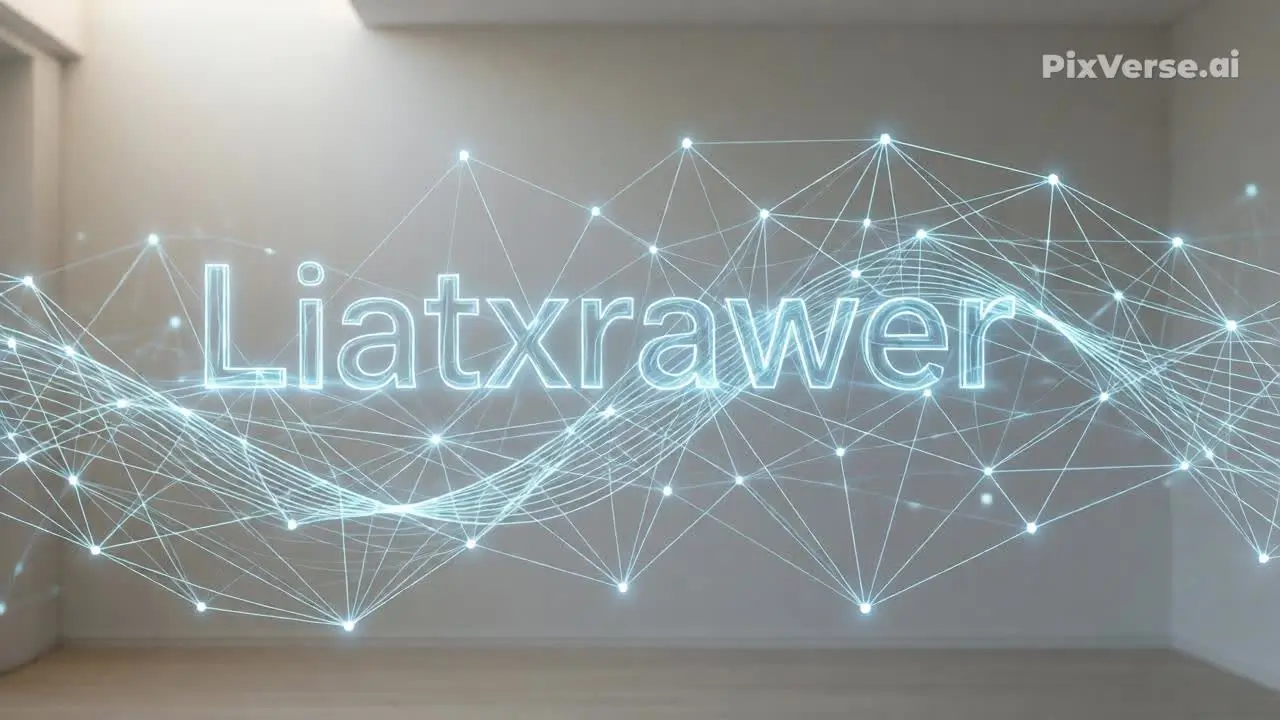
Liatxrawler: The Emerging Digital Tool Transforming Data Exploration
The digital landscape continues to evolve rapidly, introducing new tools and technologies designed to simplify complex online processes. One of the rising terms gaining attention in technology discussions is liatxrawler. Although still relatively new in the broader digital ecosystem, liatxrawler is increasingly being associated with advanced data exploration, automated information gathering, and intelligent web interaction systems.
As organizations and individuals rely more heavily on online information, tools that efficiently discover, collect, and organize digital data are becoming essential. Liatxrawler represents a new approach to this challenge. It blends automation, structured data extraction, and modern software intelligence to help users navigate the vast digital world more effectively.
This article explores what liatxrawler is, how it works, why it is gaining attention, and how it could influence the future of digital information discovery.
Understanding Liatxrawler
At its core, liatxrawler can be described as an advanced digital exploration system designed to scan, analyze, and organize online information. Unlike traditional data tools that rely on manual input or limited automation, liatxrawler is built around intelligent crawling mechanisms that identify relevant information across various digital environments.
The concept behind liatxrawler revolves around improving how data is discovered and processed. The internet holds enormous amounts of information, but extracting meaningful insights from it often requires time-consuming processes. Liatxrawler aims to reduce this complexity by automatically navigating digital spaces, identifying useful data points, and presenting them in a structured and usable format.
What makes liatxrawler particularly interesting is its flexibility. Instead of focusing on a single type of data or platform, it is designed to adapt to different environments, allowing users to explore multiple digital sources without needing separate tools for each task.
This adaptability is one of the reasons many developers and digital analysts are paying attention to the technology.
The Concept Behind Digital Crawling Technology
To fully understand liatxrawler, it helps to consider the broader idea of digital crawling technology.
Digital crawlers are automated systems that move through online content to gather information. They are commonly used in search engines, research tools, and analytics platforms. These crawlers scan web pages, analyze data structures, and identify patterns that help organize information efficiently.
However, traditional crawlers often focus only on indexing content. Liatxrawler expands this concept by adding deeper layers of analysis and contextual understanding.
Instead of merely identifying web pages, it attempts to understand how data is connected, categorized, and structured. This allows users to uncover patterns and insights that would otherwise remain hidden within massive amounts of digital information.
As the internet continues to grow, smarter crawling technologies like liatxrawler are becoming increasingly valuable.
How Liatxrawler Works
The functionality of liatxrawler revolves around several interconnected processes that work together to produce accurate and useful results.
First, the system initiates a crawling sequence. During this phase, liatxrawler navigates through digital environments, identifying potential sources of information. These sources may include websites, databases, structured repositories, and other online platforms.
Next comes the extraction stage. In this step, the system collects relevant data while filtering out unnecessary information. Advanced algorithms help determine what content is valuable based on predefined parameters or user goals.
After extraction, the information moves into the processing phase. Here, liatxrawler organizes the collected data into structured formats. This structure allows users to easily analyze and interpret the information without manually sorting through thousands of data points.
Finally, the system delivers the results through a user interface or data output system. Depending on how liatxrawler is implemented, users may receive reports, dashboards, or datasets that support deeper analysis.
This streamlined workflow helps reduce the time required for digital research and information gathering.
Why Liatxrawler Is Gaining Attention
Several factors explain why the term liatxrawler is appearing more frequently in digital technology discussions.
One of the primary reasons is the increasing demand for efficient data exploration tools. Businesses, researchers, and analysts all depend on reliable information to make informed decisions. However, manually gathering that information can be slow and inefficient.
Liatxrawler offers a more automated solution.
Another reason for its growing popularity is the shift toward intelligent automation. Modern digital tools are no longer limited to simple tasks. Instead, they incorporate advanced algorithms that help interpret data and generate insights.
Liatxrawler fits perfectly within this trend. By combining crawling capabilities with intelligent processing, it provides a more sophisticated approach to information discovery.
The technology also aligns with the growing importance of data-driven decision-making. Organizations that can quickly access relevant data gain a competitive advantage in today’s fast-moving digital environment.
Potential Applications of Liatxrawler
The versatility of liatxrawler means it can be applied across many industries and use cases.
In the field of digital marketing, for example, liatxrawler could assist with competitive analysis. By scanning relevant online content, it could identify trends, keyword patterns, and emerging topics that help marketers refine their strategies.
Researchers could also benefit from the technology. Academic projects often require analyzing large volumes of online information. Liatxrawler could help researchers locate relevant data sources more quickly and organize them efficiently.
Another potential application lies in e-commerce. Online retailers often need to monitor pricing trends, product availability, and market demand. Automated data exploration tools like liatxrawler could provide insights that support better business decisions.
Cybersecurity is another area where advanced crawling systems can play a role. Monitoring digital environments for unusual patterns or suspicious activity could become easier with tools capable of scanning large amounts of data automatically.
These possibilities illustrate how liatxrawler could become a valuable resource in many sectors.
Advantages of Using Liatxrawler
One of the most notable advantages of liatxrawler is efficiency. By automating the data discovery process, it saves users significant amounts of time.
Instead of manually searching through countless digital sources, users can rely on the system to identify and organize relevant information automatically.
Accuracy is another benefit. Intelligent processing algorithms help ensure that the data collected is meaningful and aligned with the user’s objectives. This reduces the likelihood of irrelevant or misleading results.
Scalability also plays an important role. Liatxrawler can potentially handle large-scale data exploration tasks that would be impractical for manual analysis.
Additionally, the structured output generated by the system simplifies further analysis. Whether users are conducting market research, academic studies, or business analytics, having organized data makes the process much more efficient.
Challenges and Considerations
While liatxrawler offers many advantages, it is important to acknowledge potential challenges as well.
One of the key considerations involves responsible data use. Any system that collects information from digital environments must operate within ethical and legal boundaries. Developers must ensure that liatxrawler respects privacy policies and data usage regulations.
Another challenge involves data quality. The internet contains both reliable and unreliable information. Without careful filtering and validation mechanisms, automated systems may collect inaccurate data.
Technical complexity is another factor. Building and maintaining advanced crawling systems requires specialized expertise. Organizations considering the use of tools like liatxrawler must ensure they have the necessary technical infrastructure and knowledge.
Despite these challenges, continuous improvements in software development are helping address many of these concerns.
The Future of Liatxrawler
As digital ecosystems become more complex, the demand for intelligent data exploration tools will continue to grow. Liatxrawler represents an early glimpse into how future technologies may handle this challenge.
Developers are increasingly focusing on integrating artificial intelligence with automated data systems. If liatxrawler continues to evolve in this direction, it could become even more powerful.
Future versions may include features such as predictive data discovery, advanced pattern recognition, and deeper contextual analysis.
Integration with cloud-based platforms could also expand its capabilities. By leveraging cloud infrastructure, liatxrawler could process larger datasets and deliver insights more quickly.
Another possible development involves user-friendly interfaces that make the technology accessible to non-technical users. Simplified dashboards and intuitive controls could allow businesses and researchers to benefit from advanced crawling technology without requiring extensive programming knowledge.
These potential advancements suggest that liatxrawler could play an increasingly important role in digital information management.
Building Trust in Emerging Technologies
Whenever new technologies emerge, trust becomes a critical factor in their adoption. Users need confidence that the systems they rely on are reliable, secure, and transparent.
For liatxrawler, this means focusing on accuracy, ethical data practices, and clear documentation. Developers and organizations must ensure that users understand how the system operates and how data is collected and processed.
Transparency also helps build credibility. Providing users with clear explanations of algorithms and processes can strengthen confidence in the technology.
Over time, as more professionals experiment with liatxrawler and share their experiences, the technology will likely gain greater recognition and trust within the digital community.
The Role of Liatxrawler in Data-Driven Innovation
Data has become one of the most valuable resources in the modern world. Organizations that can effectively collect, analyze, and interpret data often lead innovation in their industries.
Liatxrawler represents a step toward making this process more efficient and accessible.
By automating the discovery of relevant information, the technology helps reduce barriers that previously limited large-scale data analysis. This can empower businesses, researchers, and creators to make better-informed decisions.
In a world where digital information continues to grow exponentially, tools that simplify data exploration will become increasingly important.
Liatxrawler stands as a promising example of how technology can evolve to meet this challenge.
Frequently Asked Questions (FAQ)
What is liatxrawler?
Liatxrawler is a digital data exploration system designed to automatically scan, collect, and organize online information. It helps users discover relevant data more efficiently by using intelligent crawling mechanisms.
How does liatxrawler work?
Liatxrawler works by navigating digital environments, identifying relevant data sources, extracting useful information, and organizing the results into structured formats that users can easily analyze.
What is the purpose of liatxrawler?
The main purpose of liatxrawler is to simplify the process of finding and analyzing digital information. It helps users save time by automating tasks that would otherwise require manual research.
Who can benefit from liatxrawler?
Many professionals can benefit from liatxrawler, including digital marketers, researchers, data analysts, cybersecurity specialists, and business strategists who rely on accurate information for decision-making.
Is liatxrawler suitable for large-scale data analysis?
Yes. One of the strengths of liatxrawler is its ability to handle large amounts of digital information efficiently. Its automated crawling and data organization capabilities make it suitable for large-scale analysis projects.
Is liatxrawler safe to use?
When developed and implemented responsibly, liatxrawler can be safe to use. It is important that the system follows ethical data practices and respects privacy regulations when collecting information.
Final Thoughts
The emergence of liatxrawler highlights the growing need for smarter ways to explore and manage digital information. As the internet expands and data becomes more complex, traditional research methods are no longer sufficient.
Technologies like liatxrawler offer a new path forward by combining automation, intelligent analysis, and structured data processing.
While the technology is still evolving, its potential applications across industries make it an exciting development in the world of digital innovation. Organizations and individuals who embrace these tools early may gain valuable advantages in navigating the ever-expanding digital landscape.
For More Visits: PrimeUsaMag
Also Read: Finance cryptopronetworkcom: Powerful Positive Guide 2026













Leave a comment