


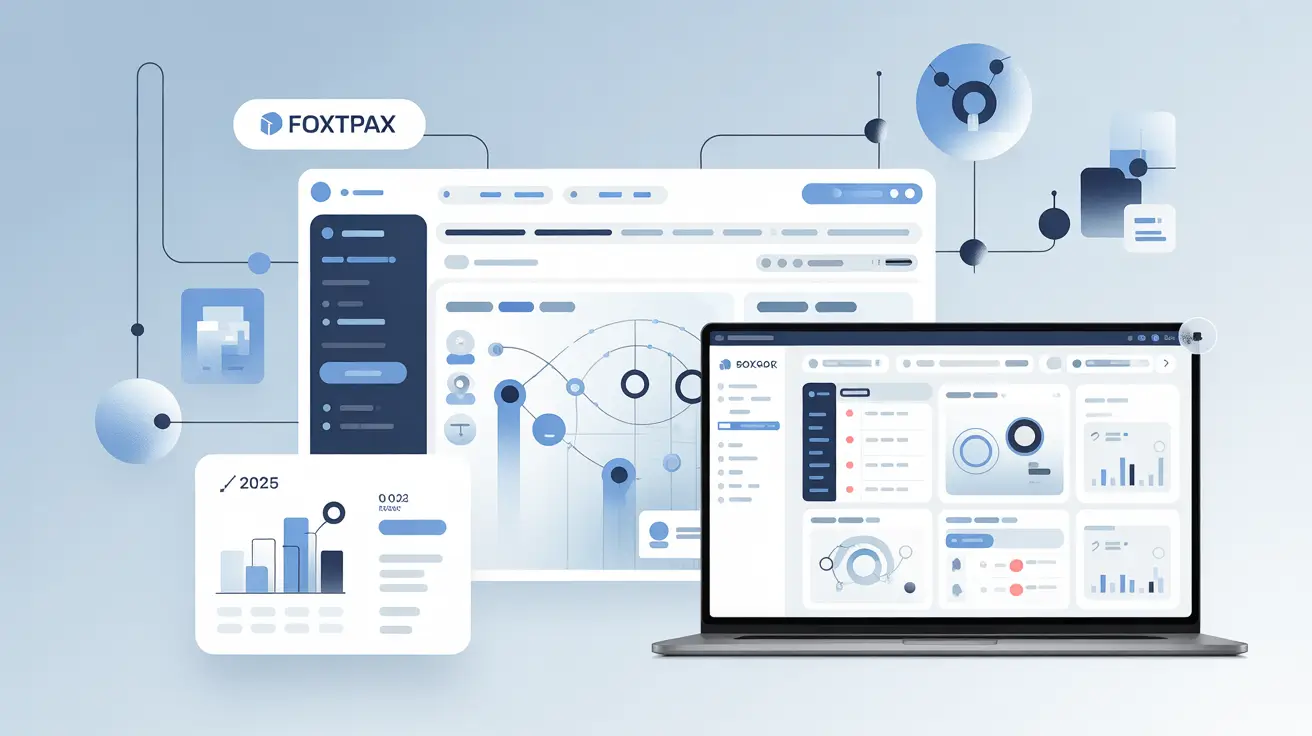
Information About Foxtpax Software: A Comprehensive, Practical Overview
In an increasingly digital business environment, software platforms are no longer judged only by what they claim to do, but by how reliably they support real workflows, adapt to growth, and reduce friction across teams. Foxtpax software has emerged in conversations around modern digital operations as a flexible, modular solution designed to help organizations manage processes, data, and collaboration more effectively. While the name itself may still be unfamiliar to some audiences, interest in Foxtpax software continues to grow because of its emphasis on usability, adaptability, and operational clarity.
This article provides in-depth information about Foxtpax software, written from a practical, experience-driven perspective. Rather than repeating surface-level marketing language, the goal here is to explain how Foxtpax software fits into real-world business needs, what problems it is designed to address, and why it is gaining attention among teams looking for smarter digital tools.
Understanding What Foxtpax Software Is
Foxtpax software can be best described as a multifunctional digital platform built to support structured workflows, centralized data management, and coordinated team activity. At its core, Foxtpax focuses on helping organizations move away from scattered tools and disconnected processes toward a more unified operational environment.
Unlike single-purpose applications that solve one narrow problem, Foxtpax software is positioned as a system that can adapt to different operational models. Whether an organization is focused on internal process management, client-facing operations, or cross-department coordination, Foxtpax is designed to scale its functionality around those needs.
One of the defining characteristics of Foxtpax software is its modular nature. Instead of forcing users into a rigid system, it allows teams to configure workflows, data structures, and access permissions in a way that reflects how they actually work. This flexibility is especially valuable in industries where processes evolve frequently or where different departments operate under unique requirements.
The Philosophy Behind Foxtpax Software
To understand why Foxtpax software resonates with modern teams, it helps to look at the philosophy behind its design. Foxtpax emphasizes clarity over complexity. Many organizations struggle not because they lack tools, but because their tools are overly complicated, poorly integrated, or difficult to adopt.
Foxtpax software appears to prioritize intuitive user experiences and logical process flow. Rather than overwhelming users with endless features, the platform focuses on making core functions easy to understand and quick to use. This approach reduces onboarding time and helps teams achieve productivity gains without extensive training.
Another key principle behind Foxtpax software is adaptability. Business environments change, regulations evolve, and customer expectations shift. Software that cannot adapt becomes obsolete quickly. Foxtpax is designed to be configurable, allowing organizations to adjust workflows and structures as their needs change without rebuilding systems from scratch.
Key Functional Areas of Foxtpax Software
Foxtpax software typically operates across several functional areas, each contributing to smoother operations and better visibility. While the exact configuration may vary depending on how an organization implements it, the platform generally supports workflow management, data organization, and collaborative task execution.
Workflow management is one of the most prominent strengths associated with Foxtpax software. Teams can define steps, assign responsibilities, set conditions, and track progress within a centralized environment. This reduces confusion, minimizes manual follow-ups, and creates accountability across departments.
Data organization is another critical aspect. Foxtpax software allows information to be stored, categorized, and accessed in a structured way. Instead of relying on multiple spreadsheets or disconnected databases, teams can work from a single source of truth. This improves accuracy and supports better decision-making.
Collaboration features within Foxtpax software are designed to reduce silos. By enabling shared access, controlled permissions, and transparent communication around tasks and records, the platform encourages alignment between individuals and teams. This is particularly important for organizations operating remotely or across multiple locations.
Real-World Use Cases for Foxtpax Software
Foxtpax software is not limited to a single industry or business size. Its adaptable framework allows it to be applied across a wide range of use cases. Small businesses may use Foxtpax to replace fragmented tools and create more structured operations, while larger organizations may implement it to standardize workflows across departments.
In service-based businesses, Foxtpax software can support client onboarding, project tracking, and internal approvals. By mapping each step of a service lifecycle, teams gain better control over timelines and quality standards.
In operational or administrative environments, Foxtpax software can help manage internal requests, documentation, and compliance-related processes. Having a centralized system reduces the risk of missed steps and improves audit readiness.
For product-focused teams, Foxtpax software can be used to coordinate development cycles, track internal reviews, and manage release-related workflows. The ability to adapt workflows as projects evolve makes it a valuable tool for agile teams.
User Experience and Accessibility
One of the reasons Foxtpax software is gaining interest is its focus on user experience. Many enterprise tools fail because they prioritize features over usability. Foxtpax appears to take a different approach by designing interfaces that feel approachable, even for non-technical users.
Navigation within Foxtpax software is typically structured around logical groupings rather than complex menus. Users can quickly find the information or tools they need without extensive searching. This simplicity encourages consistent usage, which is essential for any system intended to centralize operations.
Accessibility is another important consideration. Foxtpax software is designed to support different roles within an organization, from administrators to frontline contributors. Role-based access ensures that users see only what is relevant to them, reducing clutter and minimizing the risk of errors.
Security and Data Responsibility
In any modern software environment, data security and responsible information handling are non-negotiable. Foxtpax software places strong emphasis on protecting sensitive information while maintaining usability.
Access controls within the platform allow organizations to define who can view, edit, or approve specific data. This helps prevent unauthorized changes and ensures compliance with internal policies. Activity tracking features further enhance accountability by creating visibility into changes and actions taken within the system.
While Foxtpax software aims to be flexible, it does not compromise on structural integrity. Data is organized in a way that supports both operational efficiency and long-term governance, making it suitable for organizations that take compliance seriously.
Scalability and Long-Term Value
A common challenge with digital tools is outgrowing them. What works for a small team may not work for a growing organization. Foxtpax software addresses this issue by offering scalability as a core capability rather than an afterthought.
As teams grow, workflows can be expanded, permissions adjusted, and new processes added without disrupting existing operations. This ensures continuity and protects the investment organizations make in setting up their systems.
Long-term value is also reflected in how Foxtpax software supports continuous improvement. By providing visibility into processes and performance, the platform enables teams to identify inefficiencies and optimize workflows over time. This creates a cycle of refinement rather than stagnation.
Implementation and Adoption Considerations
Implementing Foxtpax software successfully requires thoughtful planning. While the platform is designed to be user-friendly, organizations benefit from clearly defining their goals before deployment. Understanding which processes need improvement helps teams configure Foxtpax in a way that delivers measurable results.
Adoption is often smoother when stakeholders are involved early. Foxtpax software supports gradual implementation, allowing teams to start with core workflows and expand as confidence grows. This phased approach reduces resistance and encourages buy-in across the organization.
Training and internal support also play an important role. Although Foxtpax software is intuitive, providing users with context around why processes are changing increases engagement and ensures consistent usage.
Why Foxtpax Software Stands Out
What sets Foxtpax software apart is not a single feature, but its balanced approach to flexibility, usability, and structure. Many platforms lean too heavily in one direction, either becoming overly rigid or too unstructured to scale. Foxtpax aims to occupy the middle ground, offering enough customization to adapt while maintaining a coherent framework.
The platform’s focus on real-world workflows makes it relevant to organizations that value efficiency and clarity. Rather than forcing businesses to adapt to software limitations, Foxtpax software adapts to how teams actually operate.
The Future Outlook for Foxtpax Software
As organizations continue to prioritize digital transformation, tools like Foxtpax software are well-positioned to play a significant role. The demand for platforms that simplify complexity without sacrificing control is only increasing.
Foxtpax software’s emphasis on modularity and adaptability suggests it can evolve alongside changing business needs. This makes it a compelling option for organizations looking for a long-term solution rather than a short-term fix.
Frequently Asked Questions (FAQ)
What is Foxtpax software primarily used for?
Foxtpax software is used to manage workflows, organize data, and support collaboration within organizations. It helps teams centralize operations and improve process visibility.
Is Foxtpax software suitable for small businesses?
Yes, Foxtpax software can be configured for small teams as well as larger organizations. Its modular design allows businesses to start small and scale over time.
Does Foxtpax software require technical expertise to use?
Foxtpax software is designed with usability in mind. While administrators may handle setup and configuration, everyday users typically do not need advanced technical skills.
Can Foxtpax software support remote teams?
Foxtpax software is well-suited for remote and distributed teams because it centralizes information and enables transparent collaboration across locations.
How does Foxtpax software handle data security?
Foxtpax software includes access controls and activity tracking to protect sensitive data and ensure responsible usage within the organization.
Is Foxtpax software customizable?
Yes, customization is one of the key strengths of Foxtpax software. Organizations can adapt workflows, permissions, and data structures to match their specific needs.
Final Thoughts
Foxtpax software represents a thoughtful approach to modern operational challenges. By focusing on adaptability, usability, and structured workflows, it addresses many of the pain points organizations face with fragmented tools and inefficient processes. For teams seeking clarity, scalability, and long-term value, Foxtpax software offers a compelling solution that aligns technology with how people actually work.
For More Visits: PrimeUsaMag
Also Read: Melissa Esplana Amazing Guide 2025 | Ultimate Tips
















Leave a comment