


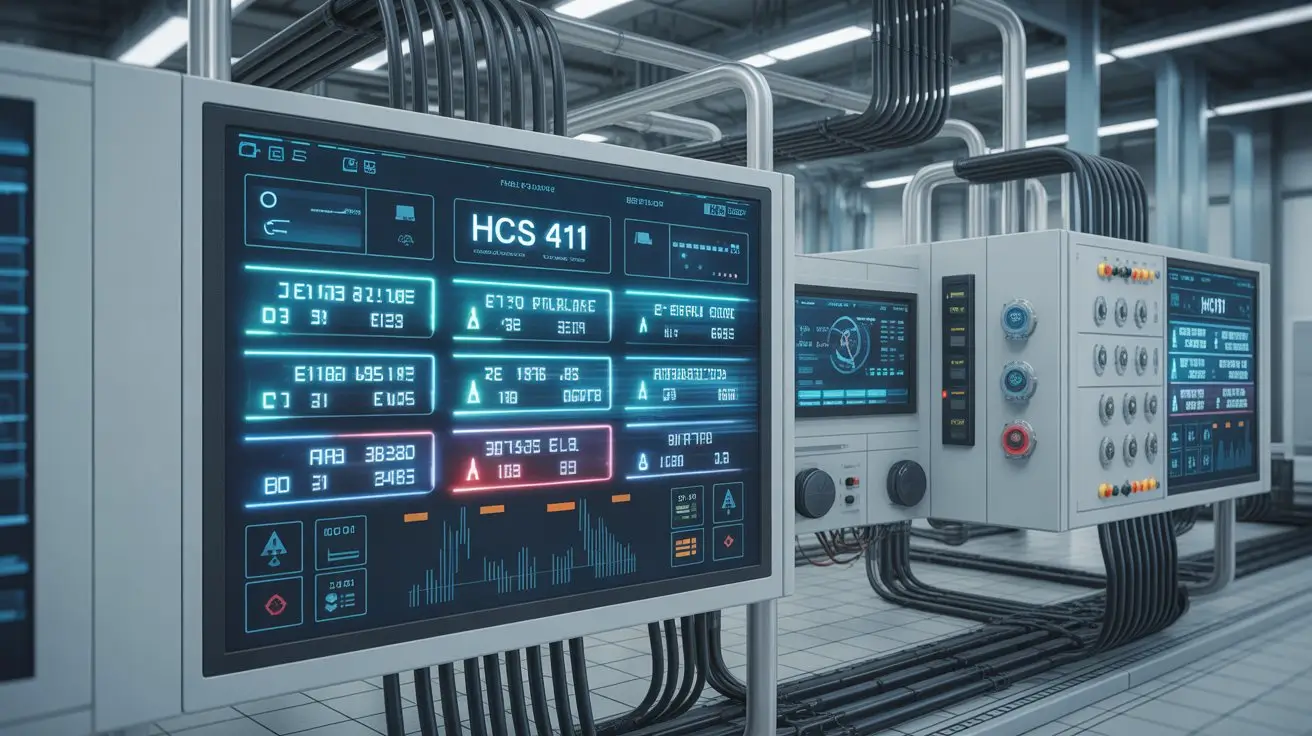
HCS 411 GITS Error Codes: A Complete Expert Guide for Diagnosis, Causes, and Long-Term Fixes
In complex industrial and technical environments, system reliability often depends on how quickly errors are identified and resolved. One term that frequently appears in troubleshooting logs and maintenance discussions is HCS 411GITS error codes. These error codes are not random messages; they are structured signals designed to communicate specific system faults, misconfigurations, or operational failures.
This in-depth guide explores HCS 411GITS error codes from a practical, experience-based perspective. It explains what they are, why they occur, how to interpret them correctly, and how professionals diagnose and fix them without guesswork. Whether you are a technician, system integrator, engineer, or operations manager, this article is written to give you clarity, confidence, and actionable understanding.
Understanding HCS 411GITS Error Codes
HCS 411GITS error codes are diagnostic identifiers generated by systems operating under the HCS 411GITS framework. These systems are typically used in environments where hardware control, data transfer, and process synchronization must work together without interruption. When something goes wrong, the system does not fail silently. Instead, it produces an error code that points toward the underlying issue.
Each error code follows a logic pattern. While the structure may appear technical, it is intentionally designed to help skilled users narrow down problems efficiently. Rather than indicating vague failures, these codes usually relate to one of four broad areas: communication faults, hardware integrity issues, configuration mismatches, or operational timing errors.
Understanding these categories is the first step toward mastering HCS 411GITS troubleshooting.
Why HCS 411GITS Error Codes Matter
In high-reliability systems, downtime is expensive. A single unresolved error can halt production, compromise safety, or cause cascading failures across connected systems. HCS 411GITS error codes exist to prevent that scenario by giving early, precise warnings.
Ignoring or misinterpreting these codes can lead to repeated failures, unnecessary component replacements, and prolonged system instability. On the other hand, teams that understand error codes deeply are often able to resolve issues before they escalate into major incidents.
From real-world operational experience, systems that are actively monitored and whose error codes are properly logged and reviewed tend to perform more consistently over time. This makes error code literacy a core skill rather than a secondary one.
Common Categories of HCS 411GITS Error Codes
Although individual error codes vary, they generally fall into recognizable categories. Knowing the category often tells you more than the code itself.
Communication-Related Errors
These occur when data exchange between system components fails. Causes may include unstable network connections, incompatible protocol settings, signal interference, or outdated firmware on one side of the communication link.
Hardware and Sensor Errors
These codes indicate physical problems such as damaged connectors, faulty sensors, overheating components, or power irregularities. In many cases, the system detects readings outside acceptable thresholds and flags them immediately.
Configuration and Parameter Errors
Misaligned settings are a frequent cause of HCS 411GITS error codes. Incorrect calibration values, mismatched firmware versions, or unauthorized configuration changes can trigger errors even when hardware is functioning correctly.
Timing and Synchronization Errors
Modern systems rely heavily on precise timing. If data arrives too late, too early, or out of sequence, the system may generate an error to prevent incorrect operations or data corruption.
Understanding which category an error belongs to allows technicians to focus their investigation instead of testing every possible variable.
Interpreting HCS 411GITS Error Codes Correctly
One of the most common mistakes is treating error codes as standalone messages. In practice, they must be interpreted within context. The same error code can have different implications depending on system load, recent changes, and environmental conditions.
Experienced professionals always ask key contextual questions:
What was the system doing when the error occurred?
Did the error appear after maintenance or updates?
Is the error recurring or intermittent?
Answering these questions transforms an error code from a cryptic message into a meaningful diagnostic tool.
It is also essential to review historical logs. Repeated occurrences of similar HCS 411GITS error codes often point to unresolved root causes rather than isolated incidents.
Root Causes Behind Frequent HCS 411GITS Errors
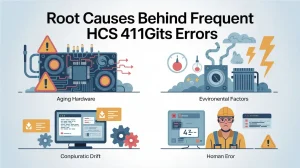
While error codes vary, patterns emerge over time. Most recurring HCS 411GITS error codes are caused by a small number of underlying issues.
Aging hardware is a frequent contributor. Components that have operated continuously for years may still function but produce inconsistent signals that trigger errors. Environmental factors such as dust, vibration, humidity, and temperature fluctuations also play a significant role.
Another common cause is configuration drift. Over time, small changes accumulate—firmware updates, parameter adjustments, or temporary overrides that were never reverted. Eventually, these changes create incompatibilities that the system detects as errors.
Human factors cannot be ignored either. Improper shutdown procedures, rushed maintenance, or undocumented modifications often introduce subtle faults that only appear under specific conditions.
Step-by-Step Approach to Diagnosing HCS 411GITS Error Codes
Effective diagnosis is a structured process rather than a trial-and-error exercise. Skilled technicians follow a consistent approach.
The first step is to stabilize the system. Before making changes, ensure that the system is in a safe state and that further damage will not occur.
Next, verify the error code against system logs and timestamps. Confirm whether it is a primary error or a secondary result of another failure.
Then, isolate the affected subsystem. If the error relates to communication, focus on network paths and interfaces. If it points to hardware, inspect physical components and sensor readings.
Testing changes incrementally is crucial. Making multiple adjustments at once can mask the true cause and complicate troubleshooting.
Finally, document the resolution. This step is often skipped, yet it is one of the most valuable for long-term system reliability.
Preventing HCS 411GITS Error Codes in the Long Term
While not all errors can be prevented, many HCS 411GITS error codes are avoidable with proper system management.
Regular maintenance schedules help identify aging components before they fail. Consistent firmware and configuration audits reduce the risk of mismatches. Environmental controls protect sensitive hardware from conditions that accelerate wear.
Equally important is training. Teams that understand system behavior are less likely to introduce errors during maintenance or operation. Clear documentation ensures that knowledge is retained even when personnel change.
Preventive strategies do not eliminate errors entirely, but they significantly reduce frequency and severity.
The Role of Experience in Handling HCS 411GITS Error Codes
Technical manuals and reference guides provide a foundation, but real expertise comes from experience. Professionals who have worked extensively with HCS 411GITS systems develop an intuitive sense of which errors require immediate action and which can be monitored.
They recognize subtle warning signs before error codes even appear. Slight delays, unusual readings, or intermittent alerts often precede more serious faults. Acting early can prevent full system shutdowns.
This experience-driven insight is what separates reactive troubleshooting from proactive system management.
How HCS 411GITS Error Codes Affect System Performance
Even when they do not cause immediate shutdowns, unresolved error codes can degrade performance. Systems may enter protective modes, reduce throughput, or disable certain functions to avoid damage.
Over time, this reduced efficiency can impact productivity and reliability. Addressing error codes promptly ensures that systems operate at their designed capacity rather than in a degraded state.
Understanding the performance implications adds urgency to proper error code management.
When to Escalate HCS 411GITS Errors
Not every error can or should be resolved at the operational level. Persistent or critical HCS 411GITS error codes may indicate deeper design or compatibility issues.
Escalation is appropriate when errors recur despite correct configuration, when safety is at risk, or when system behavior becomes unpredictable. Providing detailed logs, documented troubleshooting steps, and clear timelines greatly improves the effectiveness of escalation.
Knowing when to escalate is a sign of professionalism, not weakness.
Frequently Asked Questions (FAQ)
What are HCS 411GITS error codes used for?
HCS 411GITS error codes are used to identify and communicate specific system faults, configuration issues, or operational anomalies within HCS 411GITS-based systems. They help technicians diagnose problems accurately and efficiently.
Are HCS 411GITS error codes hardware-specific?
Some error codes relate directly to hardware components such as sensors or power modules, while others are linked to software, communication protocols, or system timing. Interpretation depends on the error category and context.
Can HCS 411GITS error codes be ignored if the system still runs?
Ignoring error codes is risky. Even if the system continues operating, the error may indicate a developing issue that could lead to sudden failure or reduced performance later.
How often should error logs be reviewed?
In stable environments, weekly reviews may be sufficient. In high-demand or critical systems, daily monitoring is recommended to catch patterns early.
Do firmware updates cause HCS 411GITS error codes?
Yes, firmware updates can trigger error codes if versions are incompatible or if configuration settings are not adjusted accordingly. Updates should always be followed by validation checks.
What is the first step when an HCS 411GITS error appears?
The first step is to ensure system safety and stability. Then review the error code in system logs and assess recent changes or environmental factors that may have contributed.
Can recurring HCS 411GITS errors indicate a design flaw?
In some cases, yes. Repeated errors that persist despite correct maintenance and configuration may point to limitations or incompatibilities within the system design.
Final Thoughts
HCS 411GITS error codes are not obstacles; they are tools. When understood and managed properly, they provide invaluable insight into system health, performance, and reliability. Mastery of these codes requires technical knowledge, careful observation, and experience gained through real-world problem solving.
By approaching HCS 411GITS error codes methodically and proactively, organizations can reduce downtime, extend system lifespan, and maintain consistent operational excellence. In environments where precision and reliability matter, that understanding is not optional—it is essential.
For More Visits: PrimeUsaMag
Also Read: Navigator pear Amazing Ultimate Guide 2025











Leave a comment